Heathrow Duty‑Free: Where Alcohol Saves, Gadgets Bleed
The guide tells you which product classes truly beat city prices and which ones are trap doors for your wallet. Most travel blogs lump everything together, leaving you overpaying on gadgets and missing real bargains on spirits.
Shop or reserve before you fly
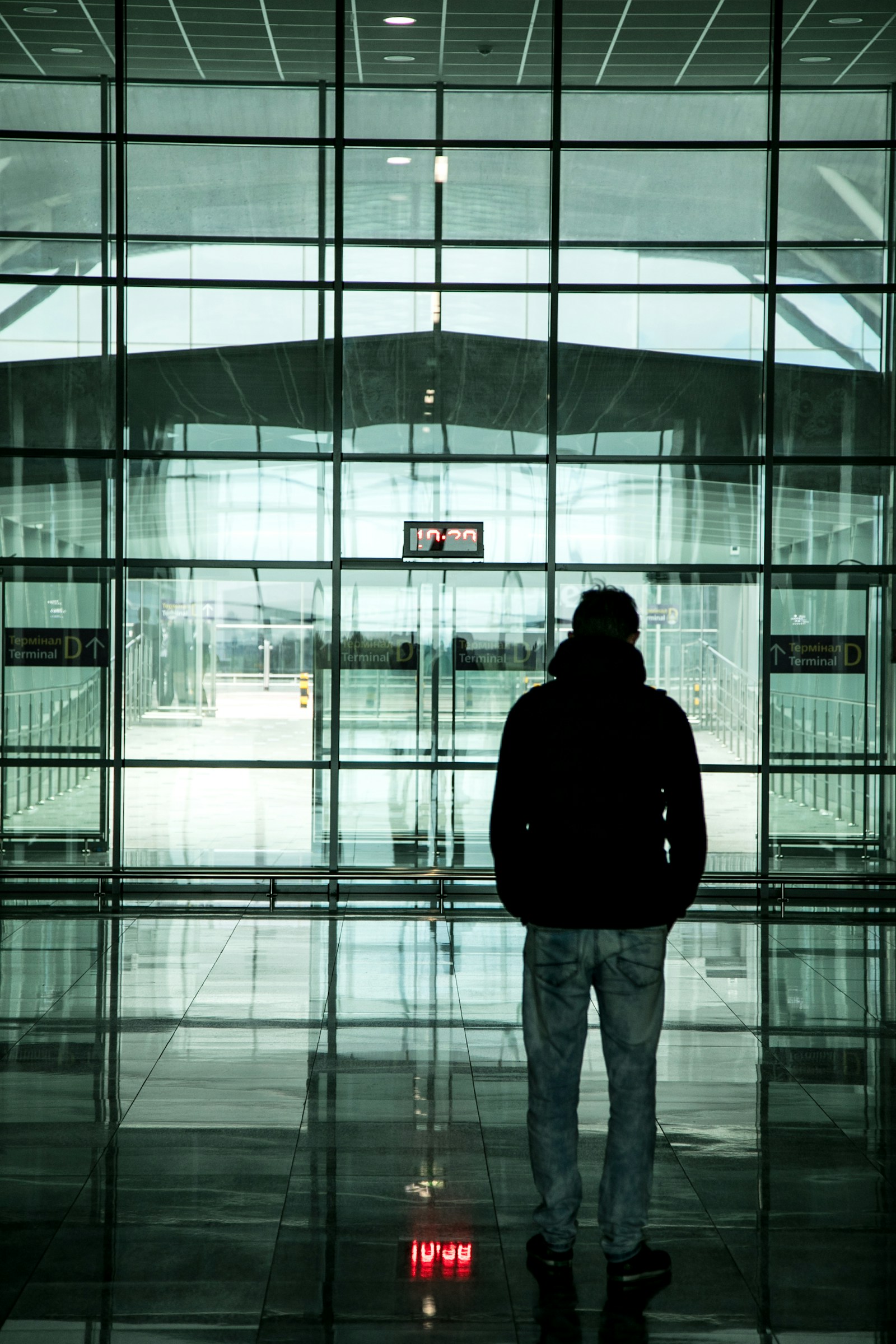
Every traveler who steps into Heathrow’s terminal feels the tug between impulse and invoice, especially when the bright‑lit aisles promise “tax‑free” savings that may or may not survive customs scrutiny. The real decision hinges on three variables: the product’s baseline price in London, the UK personal‑allowance limits, and the hidden markup the airport operator tacks on every shelf.
Which product categories actually beat city prices?
Liquor tops the list, especially Scotch and single‑malts that retail for half the price of a downtown bottle. The airport’s bulk‑buy contracts with distilleries let a 750 ml Glenlivet 12‑year glide past the £30‑£35 mark, while a comparable supermarket shelf often demands £60 or more.
Cognac follows, but only when you stay within the 1‑liter allowance that the UK permits without duty. A 700 ml Hennessy VS sold for roughly £38 in the terminal can be a decent bargain, yet the moment you exceed the limit the customs calculator adds a steep surcharge that erases any discount.
How do whisky and vodka compare to town shops?
A 750 ml bottle of Glenfiddich 12‑year in the terminal sits around £30‑£35, while a comparable supermarket find can climb to £55, delivering a clear 40 % saving if you’re under the 4‑liter spirit cap.
Vodka suffers a narrower spread; a 1‑liter Belvedere costs roughly £45 at the counter, versus £60 on the high street, leaving a modest 20 % saving that can disappear if you chase the premium “airport exclusive” label.
Remember the customs cap: the UK lets 4 liters of spirits per adult, so grabbing two bottles stays within the limit and avoids extra tax, whereas a third would trigger a duty assessment on arrival.
Are perfumes really cheaper after tax?
Fragrance houses love the duty‑free shelf; a 100 ml Dior Sauvage often appears for £55, a price that downtown boutiques charge between £70 and £90, making the airport version a genuine discount for the brand‑loyal.
If you chase niche scents, the discount evaporates because the airport stocks only mass‑market launches, and the markup can exceed 30 % compared with specialist online retailers that ship directly to your hotel.
Customs permits 200 ml per person for liquids, so a single bottle fits comfortably, but a second will trigger a duty bill at the border, turning a £10 perceived saving into a £30 penalty.
Which gadgets and souvenirs drain your wallet?
Headphones advertised as “airport exclusive” rarely slip below £80, while the same model sells for £55 at an online retailer, meaning the duty‑free tag is mostly a marketing veneer.
Travel adapters look harmless but the 4‑pack in the duty‑free aisle often costs £25, a figure you can halve by ordering a bulk set from a UK e‑shop that offers £12 for the identical unit.
Chocolate boxes exploit seasonal packaging; a 300‑gram Toblerone is about £6 at the shop, yet a supermarket bulk bag costs £2.50, making the airport version a poor deal for any sweet‑tooth on a budget.
Practical steps to squeeze value (cost ranges included)
First, write down your personal allowance for spirits, wine, tobacco and perfume; the UK allows 1 liter of spirits, 2 liters of wine, 200 ml of perfume and 200 cigarettes per adult, and staying inside those figures guarantees zero extra duty.
Second, scan the Heathrow website or a price‑comparison app before you board; most items list a pre‑tax price that you can benchmark against a city retailer, turning vague “discount” signs into quantifiable numbers.
Third, allocate a budget slice: expect to spend £25‑£40 on a decent whisky, £45‑£70 for a designer fragrance, and no more than £15 for a small confectionery item if you aim to stay under the typical duty‑free premium.
Finally, keep receipts and verify the barcode at the shop; a mismatch often signals a hidden surcharge that can add £5‑£10 without obvious labeling, and a printed proof gives leverage if you need to contest a charge later.
What to double‑check before you hand over cash
Validate that the total volume you pick does not exceed the personal exemption you will claim on arrival, otherwise you’ll face a surcharge at the UK border that can double the price of a single bottle.
Confirm the currency conversion rate displayed on the screen; some terminals apply a 3‑5 % markup that erodes any apparent discount, so a quick mental conversion can reveal whether you’re truly saving.
Inspect the packaging for tamper‑evidence; duty‑free items are sealed, and a broken seal usually means the product was opened for display, which can affect return policies and resale value.
Walk away if the clerk insists on bundling a souvenir with a high‑priced perfume; the combined cost rarely beats buying each piece separately online, and the extra accessory often carries a markup that nullifies the supposed “deal.”
Shop or reserve before you fly
Before you fly, read these
Dubai Airport Duty Free: What's Worth Buying and What's Just Shiny
Dubai's duty free is massive, open around the clock and full of promos. It's also designed to make tired travelers spend. Here's what's actually worth your layover money.
Frankfurt vs Amsterdam: Which Airport Is Better for Duty-Free Shopping
Two big European hubs, very different shopping. One is better for German and Swiss goods, the other has more space and choice. Here's where to spend your layover.