Why $15‑$30 Duty‑Free Wine Saves You Nothing
You’ll learn why duty‑free wine rarely beats retail prices and how hidden taxes erase the advertised discount. Most guides ignore customs limits and airport fees, leading travelers to overpay.
Shop or reserve before you fly
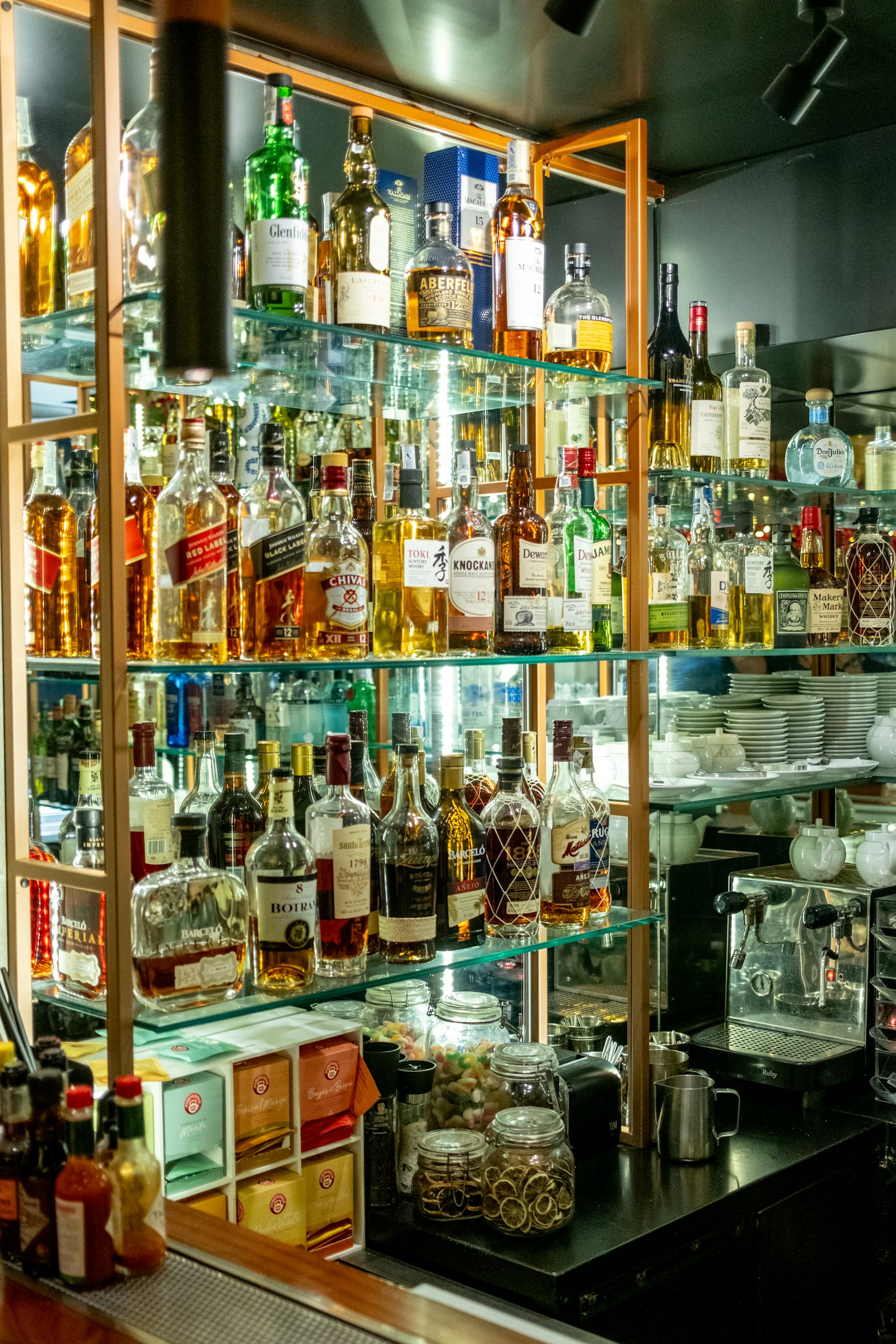
You’ve probably stared at the glowing wine aisle, convinced you’re about to snag a bargain before boarding. The duty‑free sign flashes percentages, the bottles look premium, and the price tag seems to whisper “save $15‑$30 per bottle.” Yet the same vintage often appears cheaper on a supermarket shelf back home, and the rules that govern what you can actually take home make the whole thing a gamble.
Is the duty‑free price really a discount?
Most flyers assume the discount shown on the shelf equals the price you’ll pay at customs. In reality the duty‑free tag already includes the airline’s markup, a handling surcharge, and a tax that varies by departure country. Those hidden components can easily erode a $20‑$30 headline reduction, leaving you with a net price that mirrors—or even exceeds—the retail cost you’d find in a local shop.
The only way to verify a deal is to compare the duty‑free price against the same bottle’s average market price in the destination country. Prices can differ dramatically between regions: a French Bordeaux may cost €12 in Paris but €18 in a Middle Eastern hub where the duty‑free shop sources its stock from a different distributor. Without that regional benchmark, the “savings” are just a marketing illusion.
How customs limits sabotage the bargain
Customs allowances are the silent tax most travelers overlook. The United States, for example, permits 1 liter of wine per adult duty‑free, but any amount above that incurs a duty that can climb to 30 % of the declared value. That extra charge is calculated on the full price you paid, not the pre‑tax retail figure, turning a “discounted” bottle into a costly overage the moment you declare it.
If you’re carrying more than the personal allowance, the airline may seize the bottle before you even reach the customs desk, then hand it over to the authority for valuation. The resulting invoice can be several times higher than the original tag, especially when the wine originates from a high‑tariff region like the European Union. Travelers who've learned this the hard way often end up paying the original retail price plus an unexpected duty surcharge.
What hidden fees actually inflate the tag
Retailers add a handling surcharge that most shoppers never see printed on the shelf. In many airports the fee ranges from $5 to $12 per bottle, and it is folded into the advertised price without any breakdown. That means a $45 label might actually consist of a $33 base cost, a $7 airport fee, and a $5 service charge—numbers that rarely appear on the receipt you receive at the gate.
A common surcharge that trips up even seasoned globetrotters is the “airport tax” levied by the host nation on all duty‑free sales. Depending on the country, that tax can be a flat $2‑$4 per unit or a percentage of the sale price, sometimes reaching 10 % in high‑traffic hubs. Because the tax is applied after the retailer’s markup, the final sticker often looks like a bargain while the net cost is inflated.
Practical steps to verify a deal (cost ranges included)
Step one: scan the barcode with a price‑comparison app before you enter the terminal. Apps like Vivino or Wine‑Searcher pull up recent retail prices across dozens of markets, giving you a ballpark figure for the exact vintage you’re eyeing. If the duty‑free tag is more than $10–$15 above that baseline, the presumed discount evaporates before you even reach the checkout line.
Next, factor in the customs duty you’ll actually owe. For most US travelers the duty on wine above the 1‑liter allowance sits at roughly $0.30 per ounce, which translates to about $9 for a standard 750 ml bottle. Add that to the duty‑free price and compare the sum to the local market price you just saw; the cheaper option will usually surface.
Step three: include any ancillary costs such as airport parking or lounge access if you plan to linger for a tasting. Those fees can range from $10 for a short‑term lot to $40 for a premium lounge package that includes complimentary drinks. When you tally the full out‑of‑pocket expense, many duty‑free bottles end up costing $20‑$30 more than buying the same wine at a city‑center store.
What to double‑check before paying anything
Check the duty‑free price against a reliable online source for the same vintage, remembering that regional price swings can be as high as 30 %. If the airport tag is not at least $10 below that benchmark, the deal is probably a marketing ploy.
Confirm the bottle’s tax and handling fees are listed separately; otherwise you’ll be paying a lump sum that masks the true cost. Verify you’re staying within your personal duty allowance, and note the exact amount you’ll need to declare if you exceed it. With those three checkpoints satisfied, you can decide whether the convenience outweighs the price.
Shop or reserve before you fly
Before you fly, read these
How a $30 Tamper‑Evident Bag Saves Your Duty‑Free Liquor on a Layover
Learn the exact steps to keep duty‑free spirits past a connecting security checkpoint and avoid confiscation. Most guides forget the sealed‑bag rule that airlines and customs enforce.
Duty-Free Liquor and Connecting Flights: How Not to Lose Your Bottle at Security
The sealed security bag, the receipt and the transfer airport rules. Here's how to get duty-free liquor through connections without a confiscation.
Duty-Free Tobacco Prices Have Changed: Is It Still Worth Buying?
Duty-free cigarettes used to be a massive saving. Today, health taxes, allowance limits and local rules make it more complicated. Here's the honest picture for travelers.