How a $2,500 Ring Can Cost $5,000 After Customs
You’ll learn which paperwork actually guarantees a tax‑free purchase and how customs will slice a surprise bill out of your bargain. Most guides skim the fine print and leave travelers exposed to hidden duties.
Shop or reserve before you fly
The moment you spot a sparkling pendant in a duty‑free boutique, the mental arithmetic jumps from “nice price” to “how much will the border take.” A few hundred dollars saved at the shop can balloon into a full‑price replacement once the customs officer flips the receipt, and the whole experience hinges on a handful of documents most tourists never ask for.
Can you really save thousands by buying abroad?
European gold markets often list a 20 % lower list price than U.S. retailers, while Asian manufacturers shave another 15 % off the markup chain. Those percentages look seductive until you factor in the duty‑free exemption ceiling that varies by passport and the hidden service charge some airports tack onto the “tax‑free” label. A necklace priced at $1,800 in Bangkok may arrive at a U.S. gate with a $600 duty bill if you cross the $1,000 personal exemption threshold for non‑resident travelers.
The math becomes messier when you add a possible 10 % luxury tax that some EU countries impose on items above a local threshold, regardless of whether you intend to wear the piece at home. Neglecting those layers can turn a perceived bargain into a regretful splurge before you even step off the plane.
What certificates prove the metal’s authenticity?
Most reputable jewelers abroad hand out a hallmark certificate that lists the metal purity, the maker’s mark, and the country of assay. In Switzerland, the “SIC” stamp guarantees at least 585 ‰ gold, while Italy’s “925” stamp confirms sterling silver. Keep the original paper; a digital photo rarely satisfies a customs officer who wants to see the embossed seal.
A second document, often called a Tax‑Free Form or “VAT Refund Slip,” contains the merchant’s tax identification number, the purchase amount, and a QR code for electronic verification. Failure to obtain this form means you forfeit the chance to claim a VAT refund later, and it also removes a key piece of evidence that the transaction occurred outside your home tax jurisdiction.
Some countries issue an export declaration stamped by a customs broker at the point of departure. This stamp explicitly states that the item left the country under the buyer’s possession, protecting you from a later claim that the jewelry was never exported. Collecting all three papers—hallmark, VAT slip, and export stamp—creates a paper trail that most border agents respect.
How do customs limits differ by destination?
The United States grants a $800 exemption for returning residents, but citizens traveling abroad receive a $0 personal exemption on the first entry after an extended stay. Canada offers a CAD $200 allowance for gifts and a separate CAD $200 for souvenirs, which together often cover a modest pair of earrings but not a heavy gold chain. The United Kingdom applies a £390 limit for travelers arriving from outside the EU, after which a 20 % duty plus VAT applies.
Australia’s “Traveler’s Duty Free Allowance” caps at AUD $900 for goods purchased overseas, but anything classified as “luxury”—including precious stones—automatically triggers a 10 % duty regardless of the total value. Meanwhile, Japan treats jewelry as a “restricted item” and requires a declaration for anything over ¥10,000, even if the traveler claims a personal-use exemption.
These thresholds are not static; they shift with exchange‑rate fluctuations and periodic policy revisions. Checking the official customs website of your home country before you board saves you from a surprise calculation at the baggage claim carousel.
When does a piece become taxable?
If the declared value on your customs form exceeds the personal exemption, the excess amount is taxed at the standard rate for that commodity. Gold jewelry typically falls under a 5 % duty in the U.S., while diamonds attract a 6 % rate in the EU. The calculation uses the purchase price, not the market resale value, so a discounted piece still bears the full duty on the sale price printed on the receipt.
Resale intent transforms a personal‑use allowance into a commercial import scenario. Declaring the item as “for resale” forces you into a higher tariff bracket—often double the normal rate—and obliges you to provide an import license. Even a casual comment to a customs officer about “maybe I’ll sell it later” can trigger that higher classification.
The moment you open the luggage and display the jewelry before clearing customs, you effectively present the item as imported, prompting an immediate duty assessment. Keeping the item sealed in its original packaging until after you’re cleared helps maintain the “personal use” status.
Which steps keep the paperwork from exploding?
- Ask for a detailed receipt that breaks down metal weight, gemstone carat, and the exact tax amount charged by the retailer. Expect a line item cost ranging from $5 to $15 per gram for gold, plus a separate charge for setting labor.
- Insist on a stamped VAT Refund Slip before you leave the store; the form usually costs nothing, but a processing fee of $10‑$20 may apply if you use a third‑party refund service at the airport.
- Request an export declaration from the airport’s customs desk; the stamp typically carries a nominal fee of €5‑€10 in European hubs, and it adds a layer of proof that the item did not linger in the country.
- Store all documents in a waterproof folder inside your carry‑on; a single misplaced receipt can force you to rely on the merchant’s memory, which rarely works in your favor.
- Declare the item on the arrival card using the exact figure from the receipt; rounding up by $50 can sometimes smooth the officer’s review, while under‑reporting invites penalties that range from 10 % to 100 % of the undeclared value.
Following this checklist typically adds $30‑$70 in ancillary costs, a fraction of the potential duty that could consume the entire discount you chased.
What to double‑check before you hand over cash?
- Verify that the hallmark matches the metal purity advertised on the receipt.
- Confirm the VAT Refund Slip bears the correct merchant tax ID and your passport number.
- Ensure the export stamp includes the departure airport’s code and the exact date of exit.
- Cross‑reference the declared value with the personal exemption limit of your destination country.
- Scan the final paperwork for any stray erasures or illegible numbers that could be misread by a customs officer.
A quick audit of these items before you sign any payment form can save you from an unexpected surcharge that turns a sweet deal into a bitter lesson.
Shop or reserve before you fly
Before you fly, read these
Why Duty‑Free Sunglasses Can Still Cost $200 More Than Outlets
You’ll learn the exact price differentials between duty‑free and outlet versions of top‑tier sunglasses and accessories, plus the customs limits that decide if you even get a discount. Most guides gloss over hidden taxes and exchange‑rate quirks, leaving travelers overpaying by hundreds.

How to Keep 15% of Your EU Purchases at the Airport
Learn the exact steps to claim a VAT refund at European airports and why most guides miss the critical paperwork timing. Avoid empty refunds and hidden fees with this no‑fluff walkthrough.
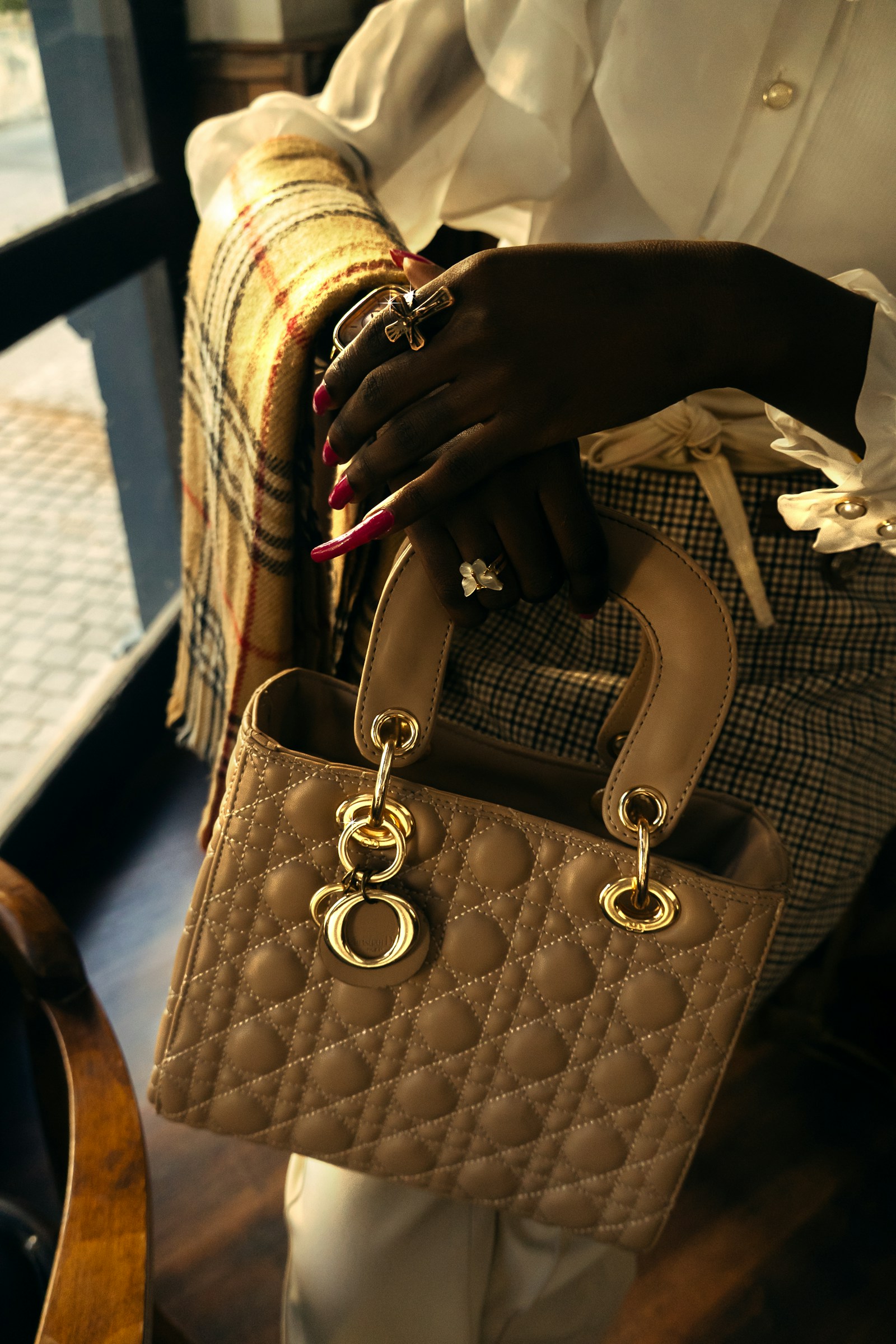
Luxury Handbags: VAT Refund in the City or Duty Free at the Airport?
Should you buy that designer bag downtown with a VAT refund, or wait for the airport? The answer depends on the country, the brand and how much time you have.